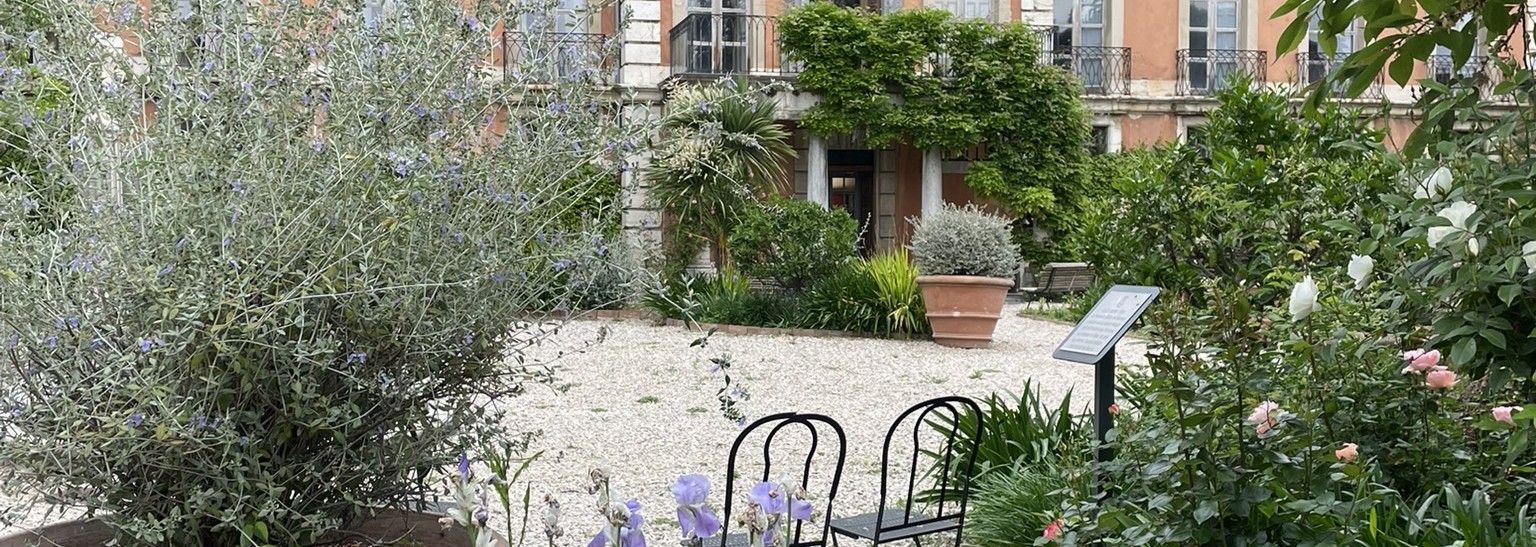
Grasse: A visit to the Musée International de la Parfumerie (MIP)
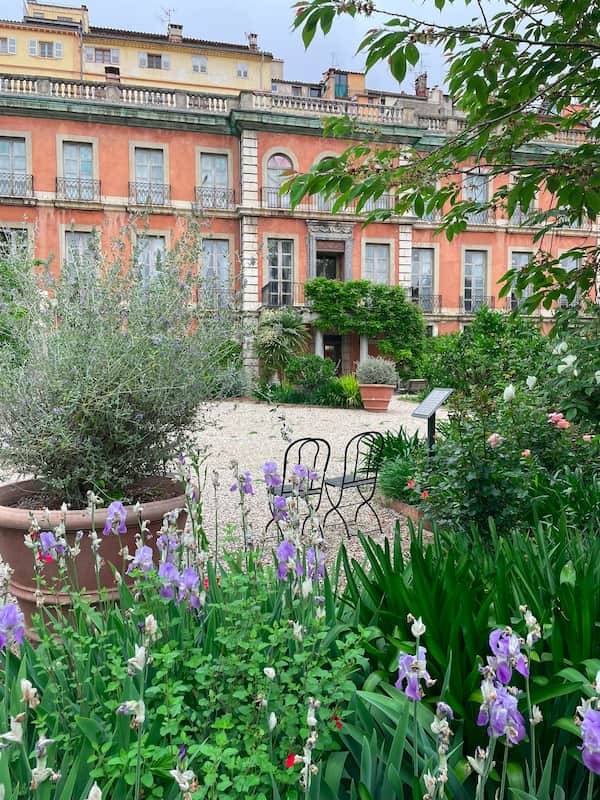
Grasse, just an hour west of Nice, is often described—quite rightly—as the world’s capital of perfume.
Since 2018, its centuries-old expertise in cultivating flowers and transforming them into fragrance has been recognized by UNESCO as Intangible Cultural Heritage.
Why Grasse?
Grasse sits in a natural amphitheater, held gently by surrounding hills that soften the Mediterranean winds.
Add to that around 300 days of sunshine a year, warm days and cool nights, and you begin to understand why this particular corner of Provence became so important for scented plants.
How perfume arrived in Grasse
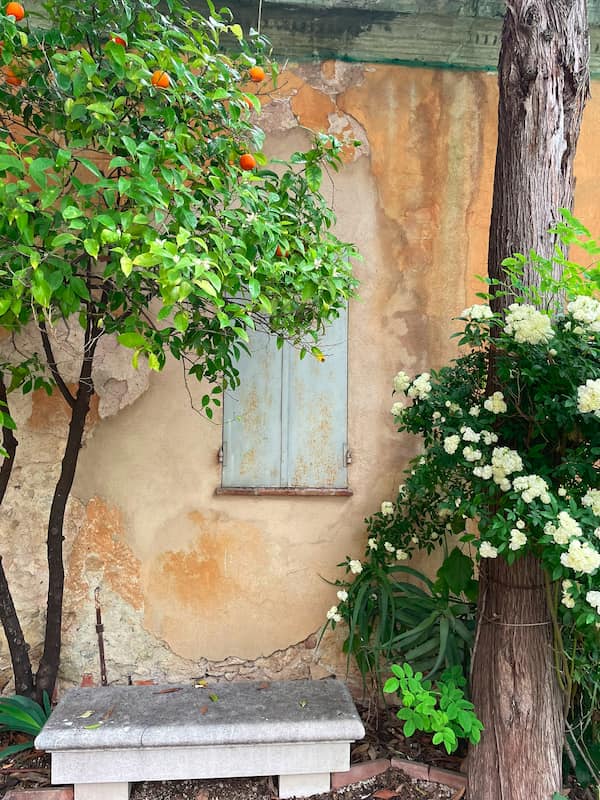
The story begins, as so many French stories do, at court.
When Catherine de Médicis arrived from Florence in the 16th century to marry the future King of France, Henri II, she brought with her not only Italian refinement, but also her personal perfumer. Perfume quickly became fashionable among the aristocracy.
But the real turning point came from something far more practical: gloves.
Leather gloves were essential at court, but not always pleasant smelling. Italian craftsmen had the ingenious idea of scenting them with fragrant oils. Grasse, already a center for tanning leather, adapted quickly and began producing these scented gloves for an eager elite.
And then, as so often happens, one industry slowly gave way to another. By the 17th century, leather declined and flowers took its place—jasmine, rose, tuberose. A new economy quietly took root.
The flowers behind the fragrance
Three flowers define the perfume industry in Grasse: rose, jasmine, and tuberose.
The golden age of their cultivation stretched from the early 19th century to the 1950s. Production later declined, but there has been a welcome revival in recent years, with younger growers returning to the land to safeguard both a cultural and economic heritage.
It is, however, demanding work. Growing perfume flowers is labor-intensive, and harvesting is still done by hand, early in the morning when the scent is at its most intense. There is nothing industrial about it, despite the global industry it feeds.
Traditionally, fragrance was extracted either through water distillation or through enfleurage—a slow method where petals are laid onto fat to absorb their scent. Later came alcohol extraction. Today CO₂ extraction and synthetic molecules are widely used.


Where to begin in Grasse
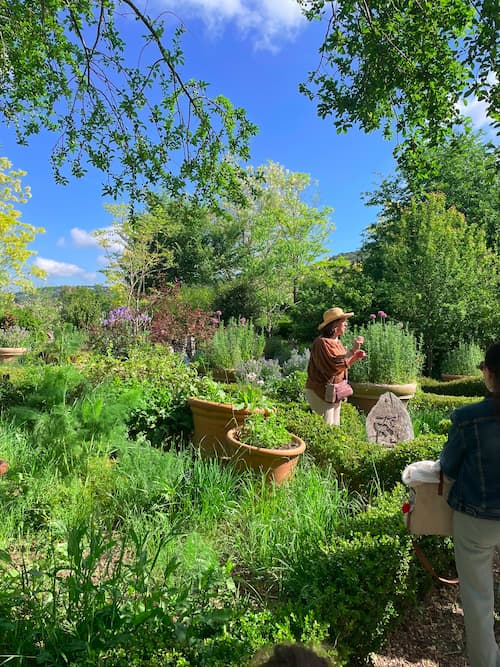
If you want to understand perfume properly, there are several places to begin. The historic perfume houses each offer a slightly different perspective, and the Musée International de la Parfumerie takes you on a journey from ancient Egypt to contemporary perfumery.
But if it is the plants themselves that interest you, then the garden of the museum is the place to start.
Located just outside the town, in the so-called “plans de Grasse,” the garden is a rarity here: a genuinely flat space in a landscape that is otherwise anything but.
It is designed as a living catalogue of perfume plants, and it unfolds rather beautifully, almost like a global conversation in scent. Yes, you find the classics—rose, jasmine, tuberose—but also many lesser-known plants that quietly support the world of fragrance.
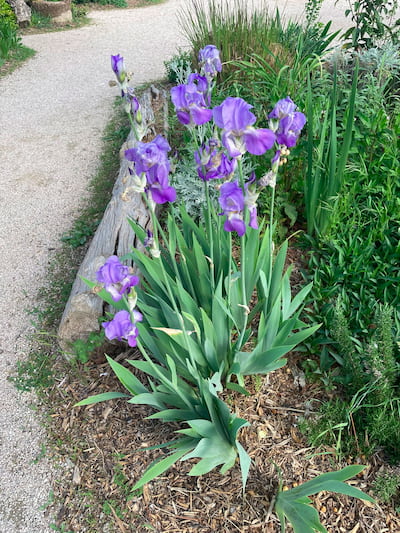
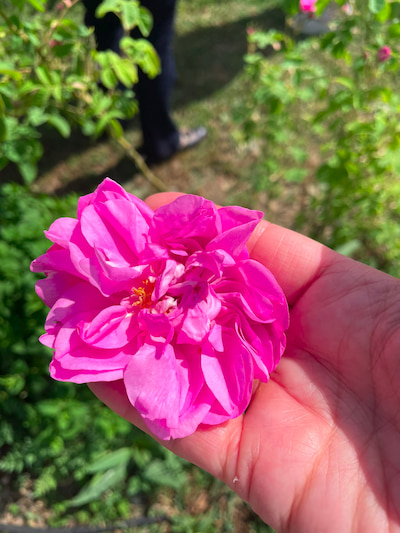
I visited in late April. The roses were already beginning to bloom (their harvest starts in May), the irises were in flower, and the jasmine had just been cut back, waiting for its summer harvest in August. The tuberoses, meanwhile, were still underground—patiently waiting for their turn in September.
A few fragrant discoveries
Iris (Iris pallida)
Perhaps one of the most extraordinary ingredients in perfumery. The scent comes not from the flower, but from the rhizome. It takes three years to grow, and another three to dry before extraction. Six years in total for something used in the smallest quantities. It is often called blue gold—and that feels entirely appropriate.
Rosa centifolia
The iconic Grasse rose blooms only once a year, for a brief window of a few weeks. Harvested at dawn, processed immediately. It takes roughly a tonne of petals to produce a single liter of essence.
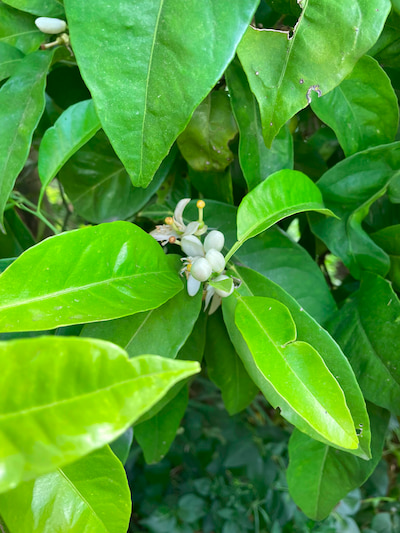
Bitter orange (Bigaradier)
A generous tree. Flowers, leaves, peel—all are used. In bloom, the air around it becomes almost intoxicating.
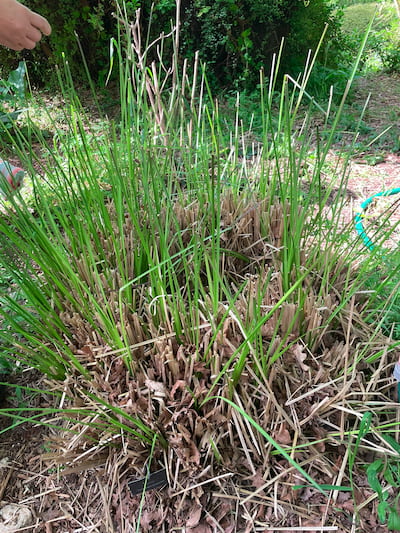
Vetiver
Not a flower at all, but a grass. Its scent is drawn from the roots—earthy, grounding, and quietly practical, helping to prevent soil erosion as well.
And one of the more surprising discoveries: not every fragrant bloom can be captured. Lilac and wisteria, for instance, resist extraction entirely.
And then, there is composition
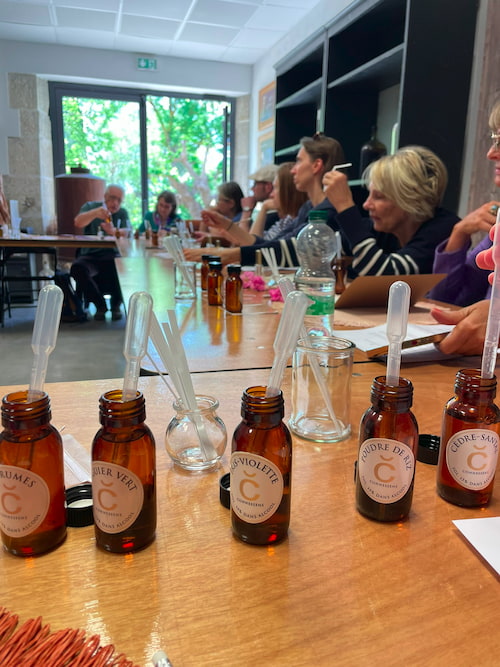
To really understand perfume, there is nothing quite like trying to create one.
On the day of my visit at the MIP, I attended an Iris themed perfume workshop. We learned about how perfumes are composed, layer by layer, note by note. The head note, the heart note and the base note. Achieving harmony is a complex process which makes clear why Noses, like composers, are true artists. Because yes, perfume is composed. Much like music.
Even if your own creation doesn’t become a signature scent (mine certainly did not), you leave with something more lasting: a far deeper appreciation of how complex, precise, and carefully constructed perfume truly is.
Conclusion
For my part, the visit and workshop at the MIP have left me with a new and deeper respect for perfumes—especially here in Grasse, where this long tradition of scent still quietly shapes the landscape.
If you ever find yourself in the area, it is well worth setting aside time for both the museum and a workshop. They add an entirely new layer to the experience of the region.